Water Above All – The Great Forest
September 16, 2026
“Water Above All” was the title of a lecture delivered by Péter Bordás at the Hungarian Chamber of Architects’ SzeptemberFeszt event. Following a summer marked by near-record temperatures and prolonged drought, the topic has become more relevant than ever: how we manage one of our most vital natural resources.
Throughout the renewal projects of Debrecen’s Great Forest designed by our studio, we never regarded the individual facilities as isolated objects, but rather as elements within a complex natural and urban ecosystem. The presence, retention, circulation, and responsible use of water formed a fundamental consideration that informed every intervention from the Stadium to the Aquaticum Water Park. While shaping buildings, public spaces, and landscapes, we are ultimately shaping the conditions that allow people and nature to coexist in long-term balance. Water is not merely a component of that balance, it is one of its essential prerequisites.
Since the Middle Ages, Debrecen has occupied a strategic position at the crossroads of important trade routes, evolving into one of the most significant market towns of the Great Hungarian Plain. Its prosperity was built on livestock farming and cattle trade across the surrounding grasslands. From the Hortobágy and the lands around Debrecen, hajdú herdsmen drove vast herds of Hungarian Grey cattle to markets throughout Western Europe, returning to the city months later. For centuries, Debrecen’s wealth and independence were rooted in these commercial networks and its close relationship with the open plains.
Today, the city has long outgrown its market-town origins. It is a major university, cultural, and economic centre, and Hungary’s second-largest city. Yet its identity remains deeply connected to the historical legacy of the plains, the markets, and the trade routes that once defined its character.
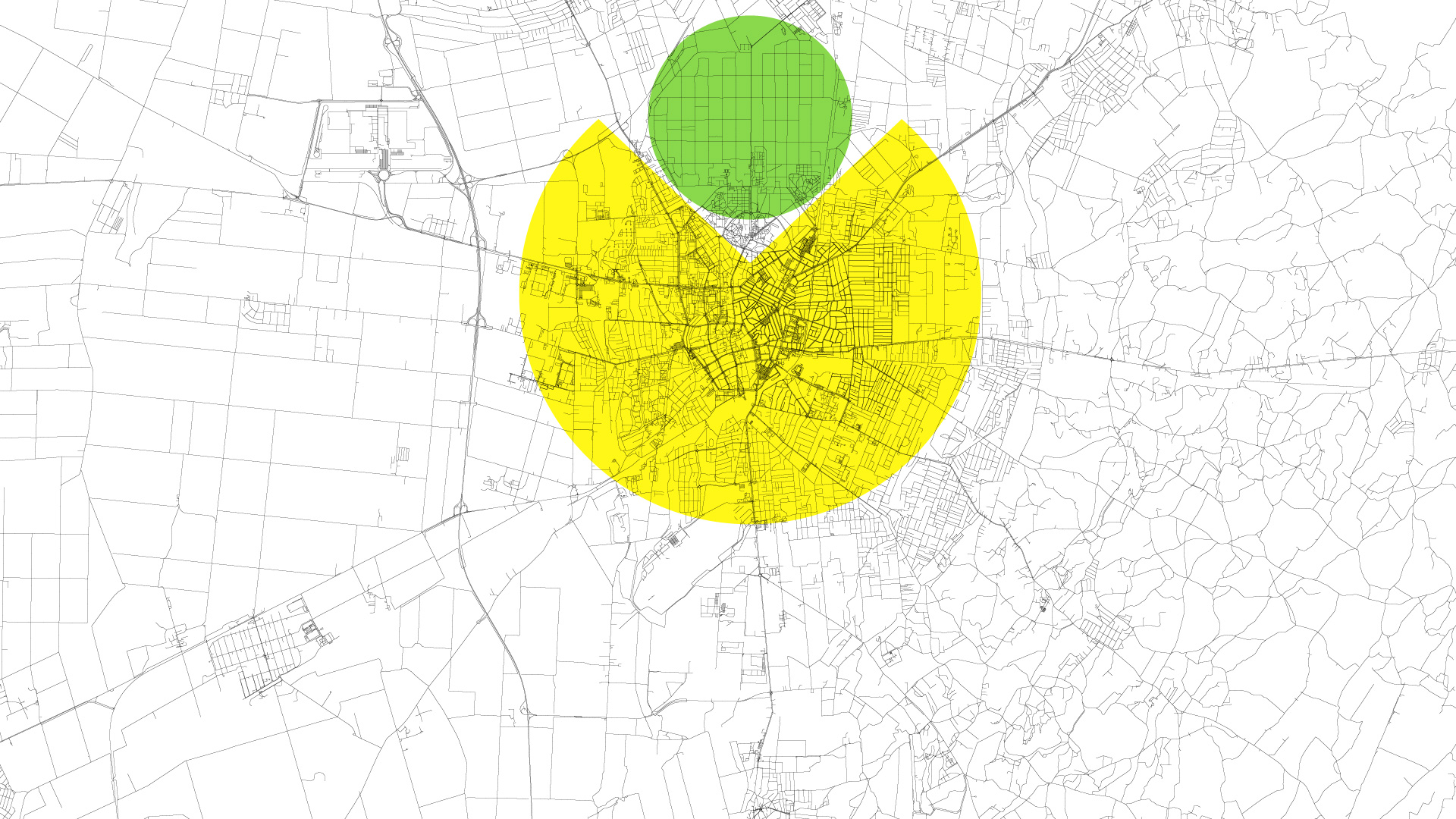
The relationship between Debrecen and the Great Forest
Debrecen’s other remarkable asset is the Great Forest (Nagyerdő), which, in a way that is almost unique, is directly integrated into the urban fabric. Just one and a half kilometres from the city’s iconic Great Reformed Church begins a forested area of more than 1,100 hectares that has shaped Debrecen’s character for centuries. The inner, park-like sections of the forest form part of everyday life for local residents, while its outer areas still preserve a wild and natural landscape. The Great Forest is a nationally protected natural area and part of the Natura 2000 network, providing valuable habitat for native oak woodlands of the Great Plain and numerous protected species, including the great capricorn beetle and the stag beetle.
Viewed from above, Debrecen’s urban form resembles a Pac-Man figure: the city nearly encloses and “swallows” the forest. This unique relationship reflects a pattern of development in which urban growth did not displace nature but evolved alongside it. The Great Forest remains as central to the city’s identity today as the markets, the plains, and the cattle trade once were.
Beyond its ecological value, the Great Forest has also served as a focal point of Debrecen’s social life for centuries. At the edge where city and forest meet, the classical-style Vigadó and Bath House were built in 1826, providing spaces for relaxation, social gatherings, and entertainment for residents, merchants, and hajdús returning from long journeys. During the twentieth century, a comprehensive development programme transformed the area. The University, the Great Forest Stadium, the Aquaticum Bath Complex, and numerous recreational facilities were established. Urban planners of the era envisioned a modern district that would promote a healthy and active lifestyle, where sport, culture, and nature could coexist and reinforce one another.
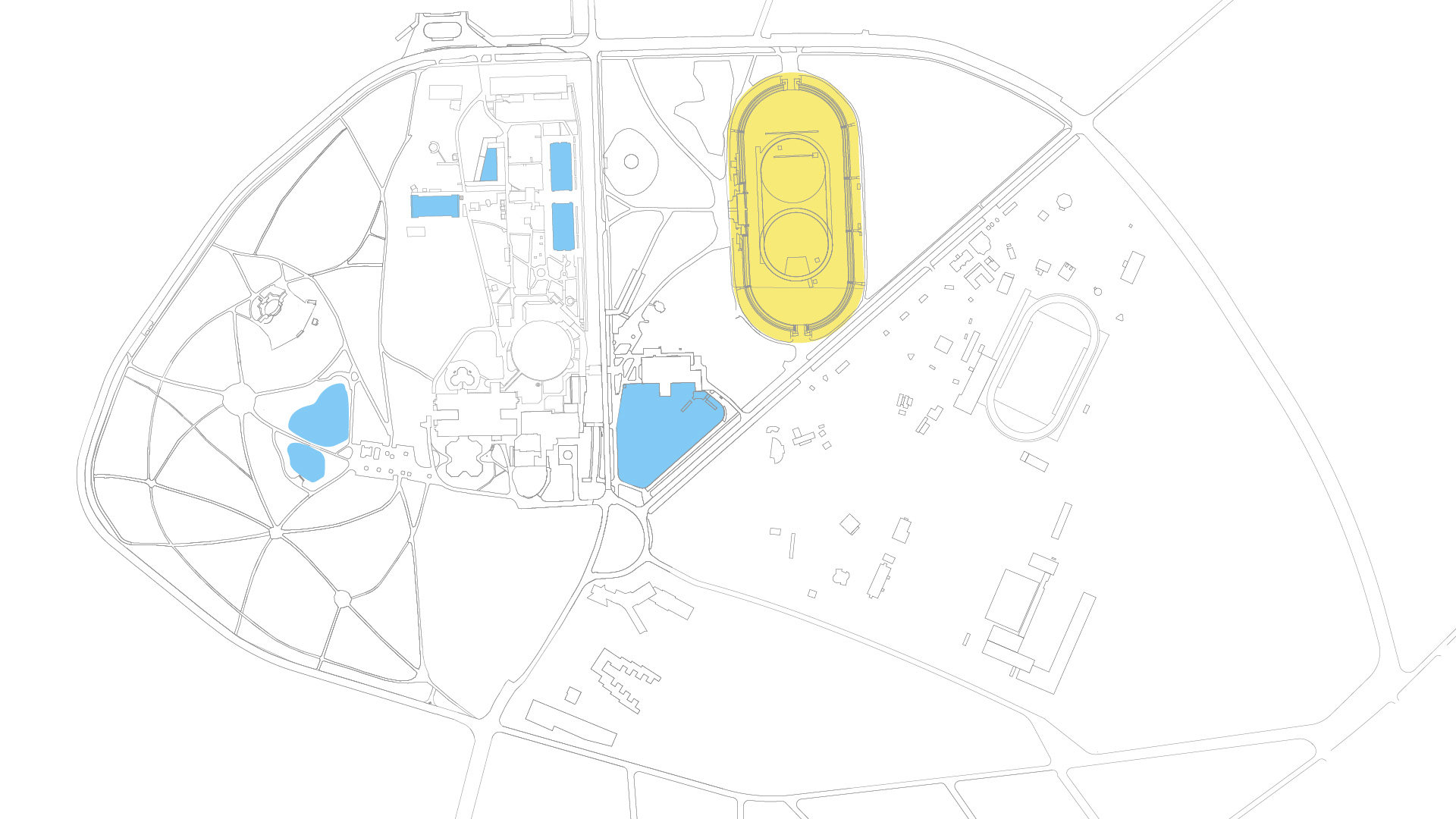
Water surfaces and the Stadium in the Great Forest before the park’s rehabilitation
Debrecen’s geography is not characterised by major rivers, lakes, or natural water bodies. Its sandy, porous soils rapidly drain precipitation. The Békás Lake, created artificially in 1932, and the Boating Lake, established a year later, became defining elements of the city’s park landscape. The Boating Lake was originally supplied by used thermal water from the bath complex, allowing the water to be utilised a second time before leaving the site. Békás Lake was likewise an artificial water body, replenished through wells. Thermal pools were fed by medicinal water emerging from deep underground, while the swimming pools relied on separate water sources. The iconic water features of the Great Forest were therefore not natural givens but the result of deliberate engineering and urban planning interventions.
When BORD became involved in the renewal of the Great Forest in 2010, the challenge extended far beyond addressing the deteriorated condition of a few buildings. One of the key questions in the rehabilitation and long-term regeneration of the forest was how to rethink the presence and management of water.
The waterproofing systems of pools and artificial water bodies constructed decades earlier had significantly deteriorated, allowing large quantities of water to seep into the ground. This was not merely a matter of water loss. The high mineral and salt content of thermal water posed a long-term risk of soil salinisation, threatening the delicate ecological balance of the Great Forest and the survival of its native vegetation. Within a Natura 2000 protected area, this became not only an operational issue but also a matter of environmental conservation. The situation was further exacerbated by climate change, which had led to a significant decline in groundwater levels and necessitated a comprehensive rethinking of the forest’s entire water management system.
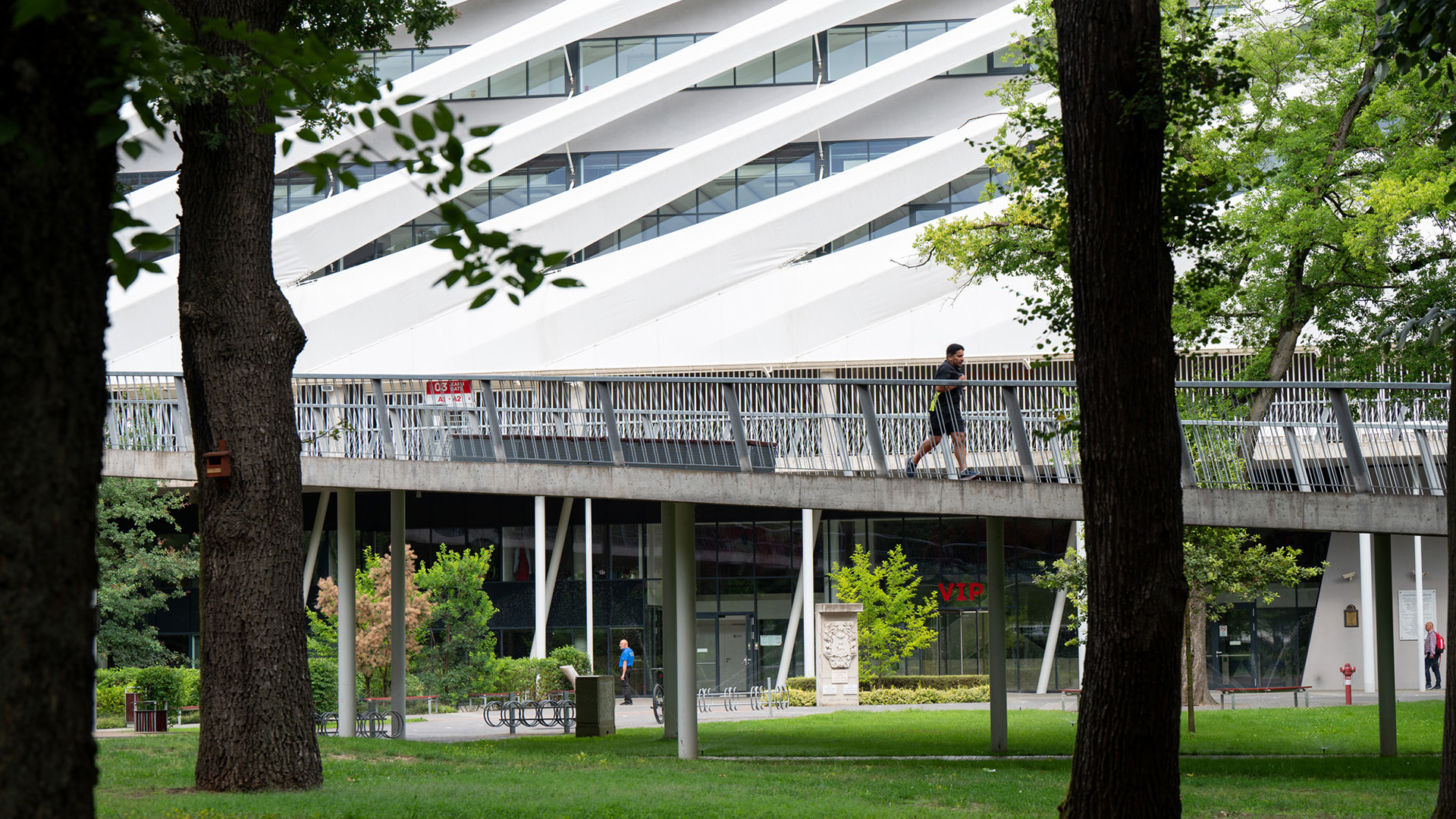
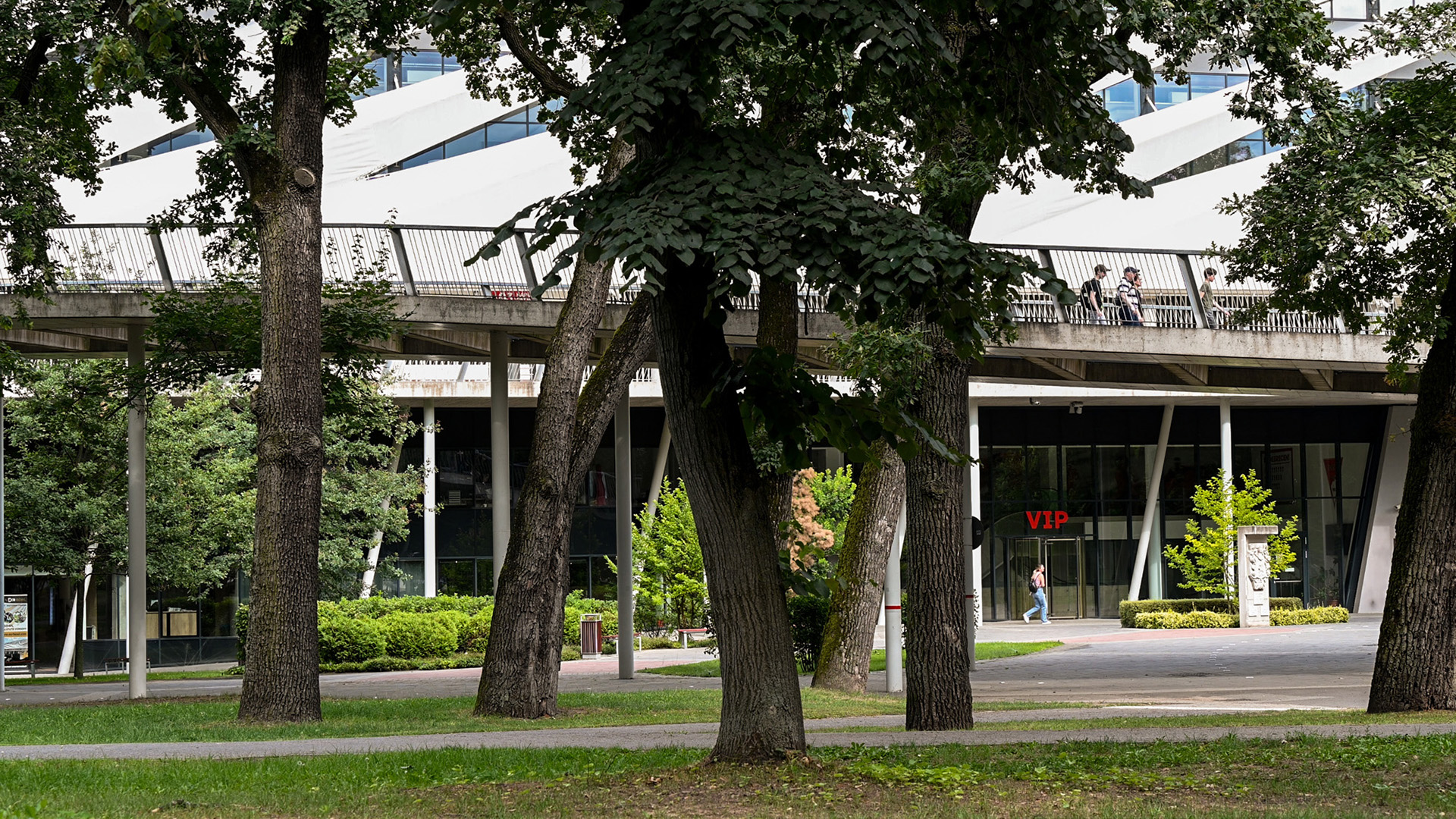
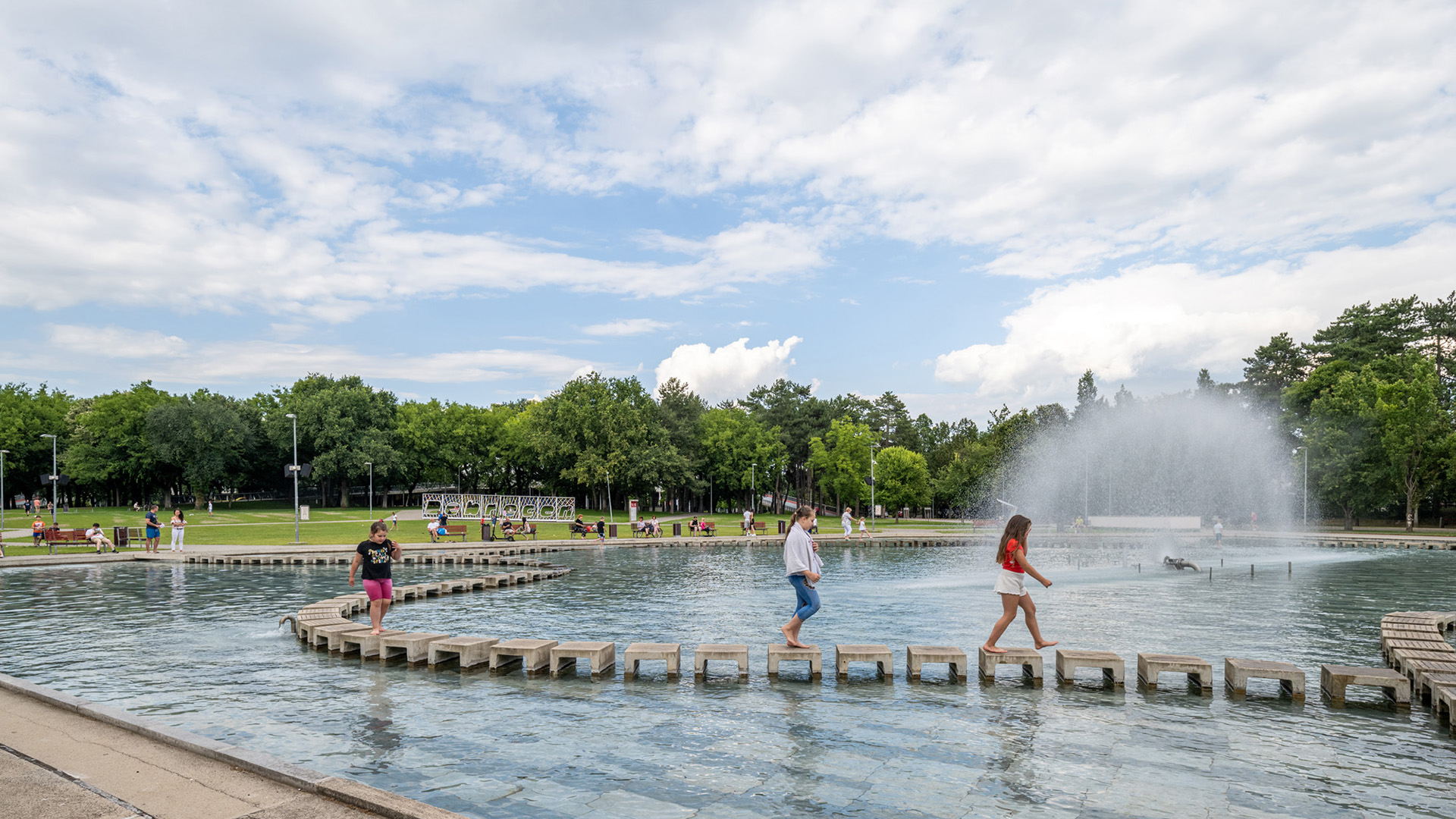
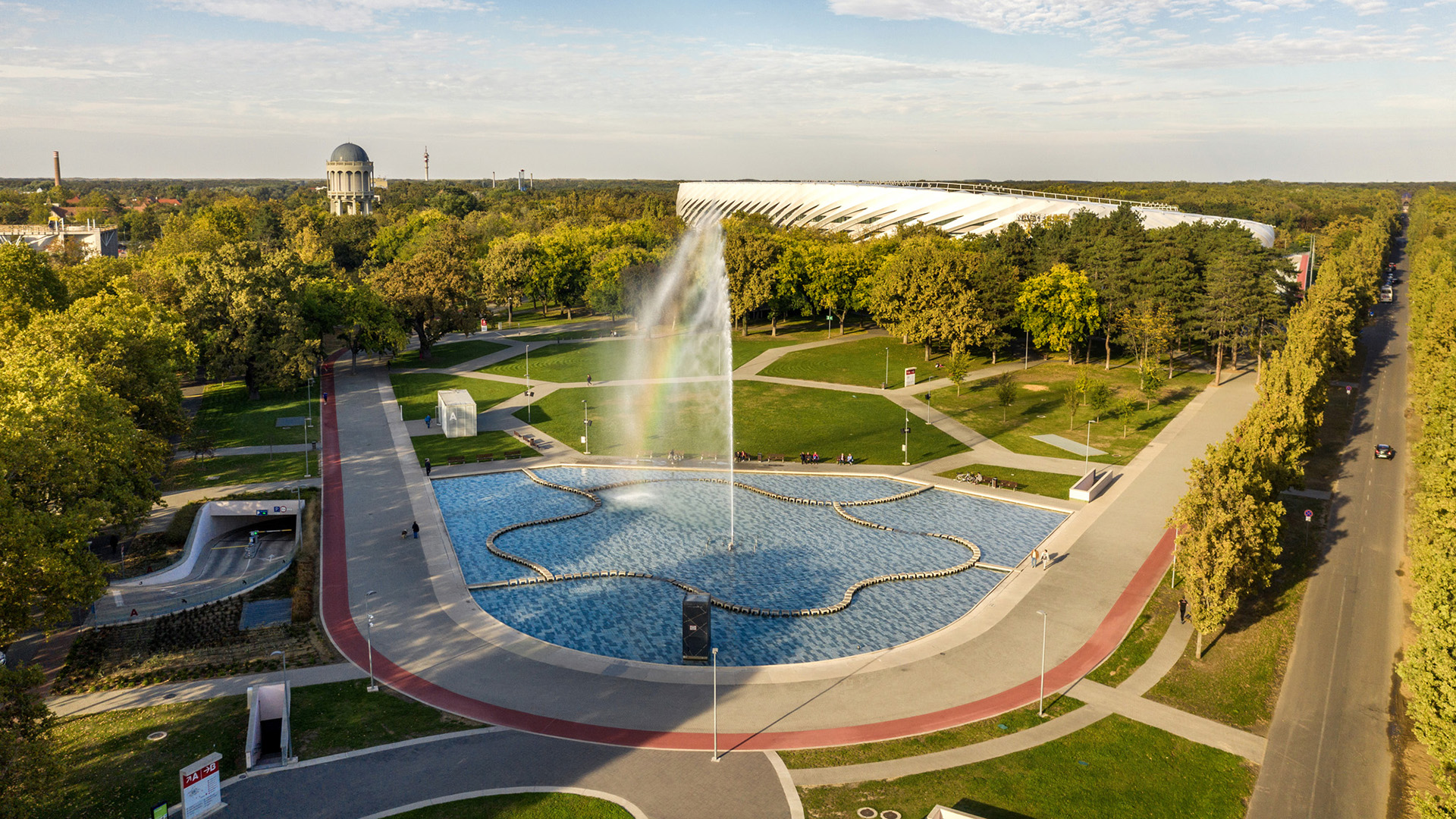
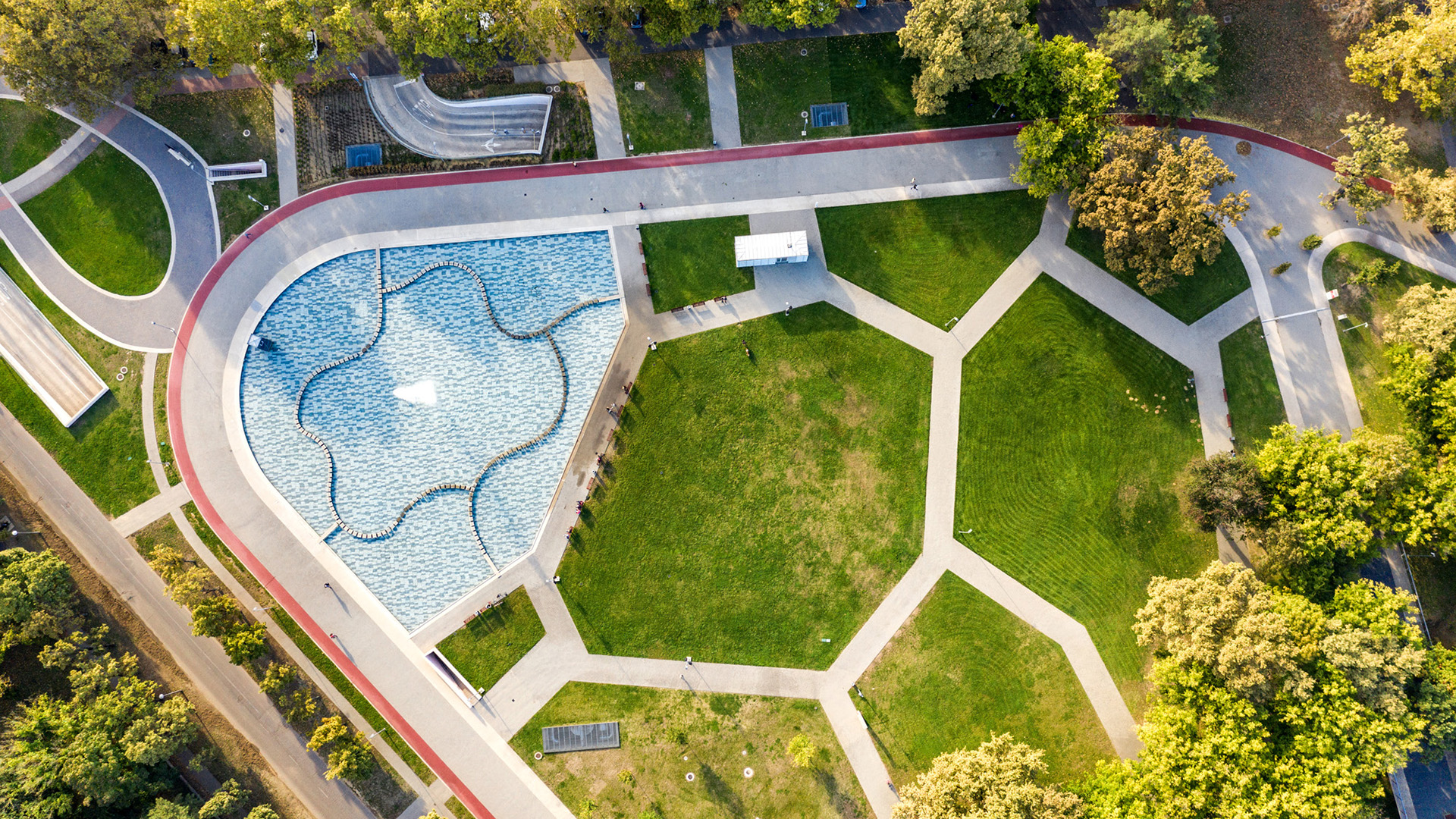
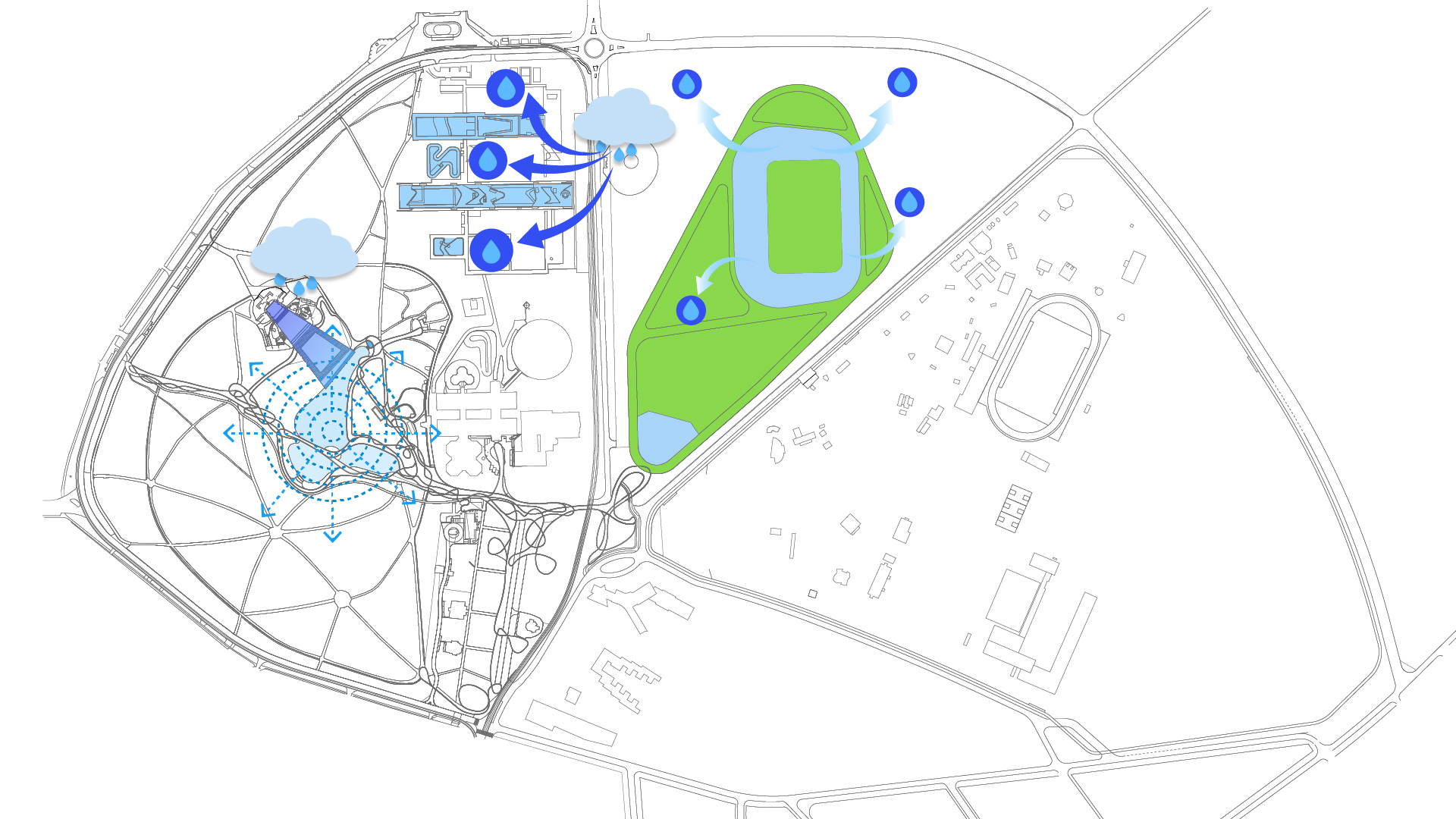
Within BORD’s regeneration strategy, the buildings and public spaces of the Great Forest were conceived not as isolated interventions but as components of an interconnected ecological system. Water became a defining design consideration throughout the development process. The first major element of the park’s rehabilitation was the construction of the Great Forest Stadium and the adjacent Mist Theatre. Soil affected by decades of thermal water seepage from the former Boating Lake was removed and replaced with an underground parking facility. At the surface, however, the visual presence of water was preserved. A shallow water basin, only 40 centimetres deep, was created on the site of the former lake. Through the Mist Theatre and its water installations, the memory of the place is reinterpreted in a contemporary form. This solution simultaneously addressed environmental concerns and the public’s enduring attachment to water as an integral part of the Great Forest experience.
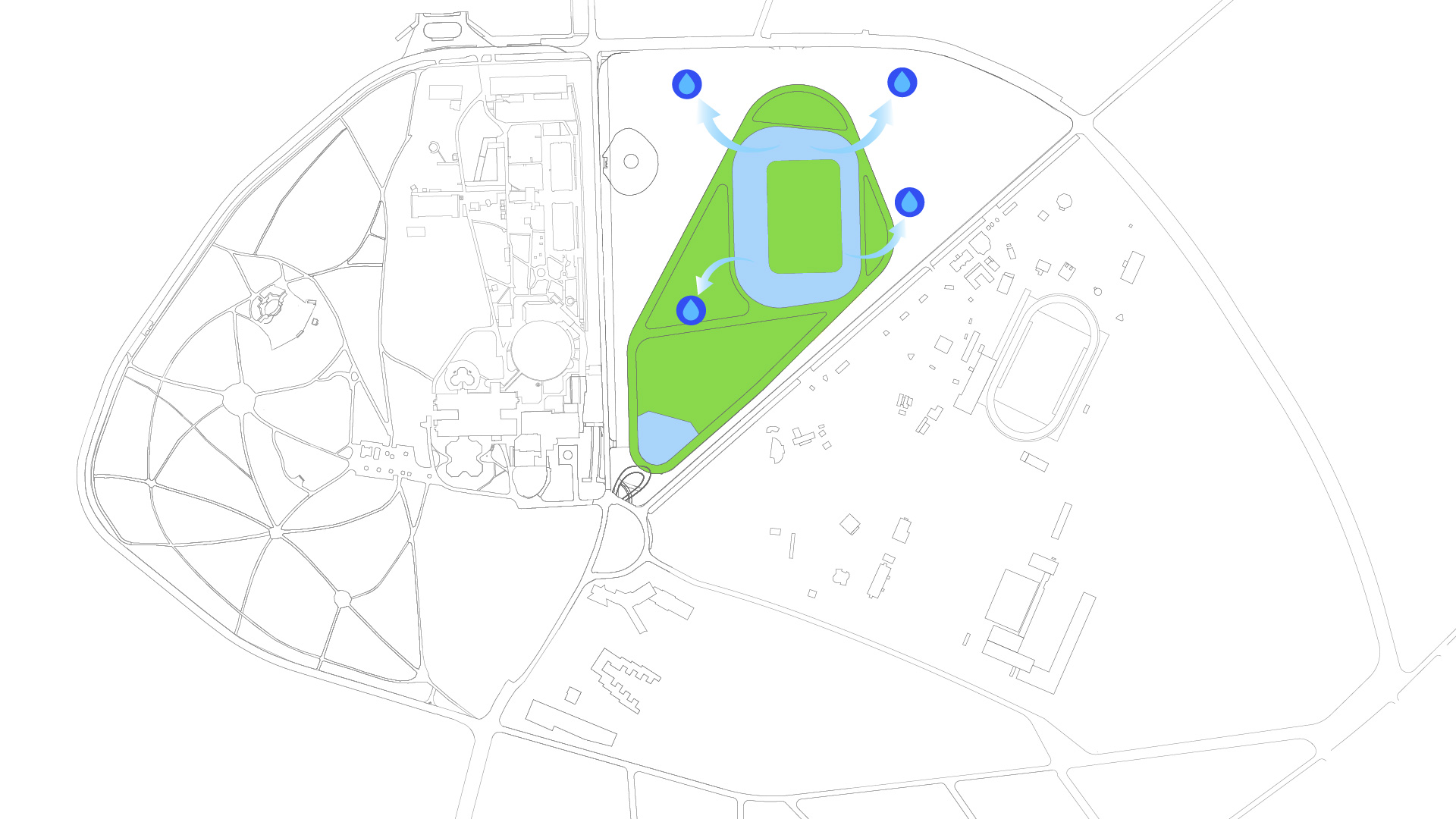
The stadium’s distinctive floating roof structure, accommodating 20,000 spectators, collects substantial amounts of rainwater. The guiding principle was to retain as much precipitation on site as possible. Rather than being directed into the sewer system, the collected rainwater is infiltrated into the soil among the trees, supporting the forest’s natural water cycle. Excess water is stored in reservoirs and later reused for irrigation and operational purposes. In this way, the stadium has become not only an architectural icon of the Great Forest but also one of the key components of its sustainable water management strategy.
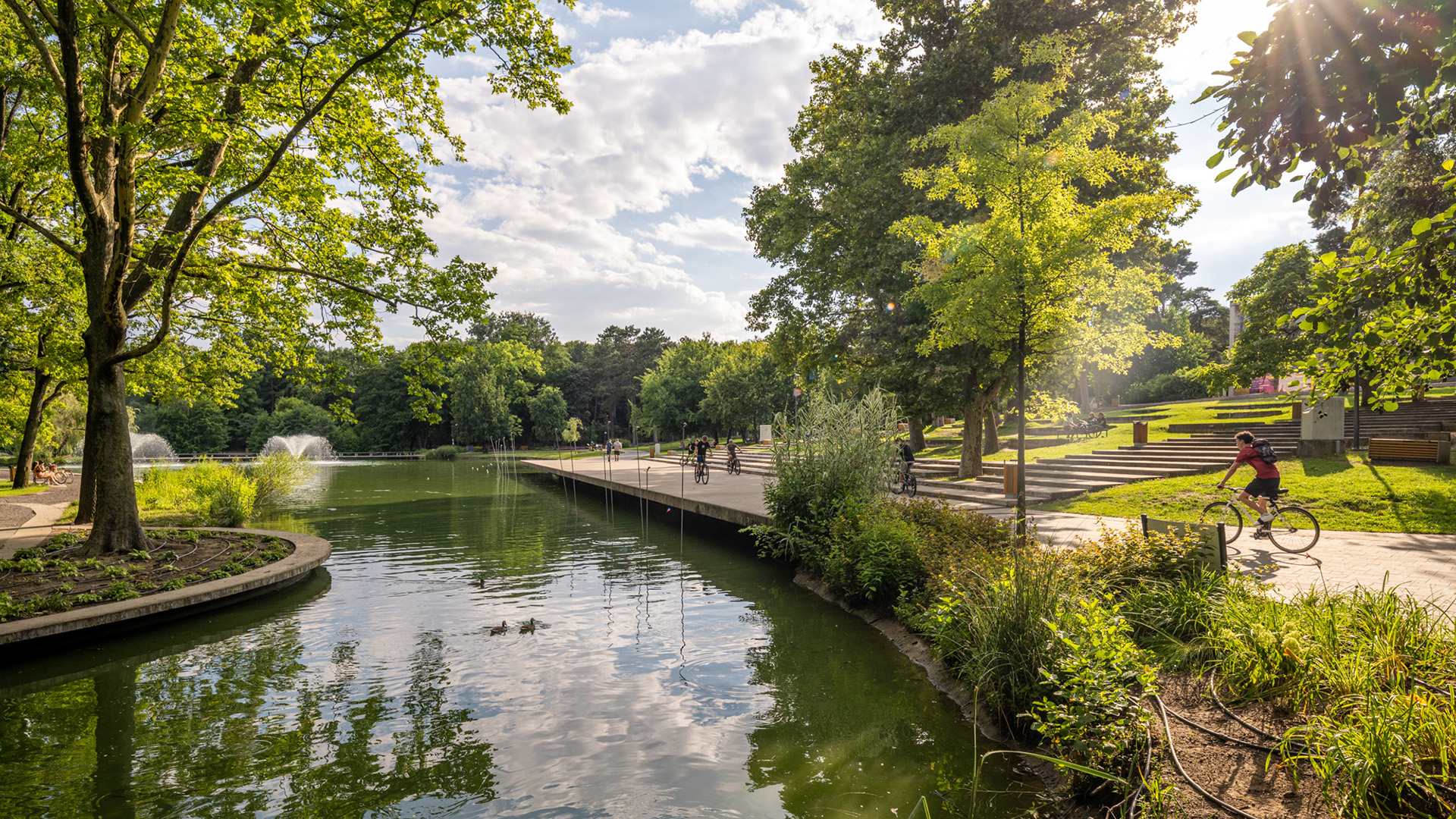
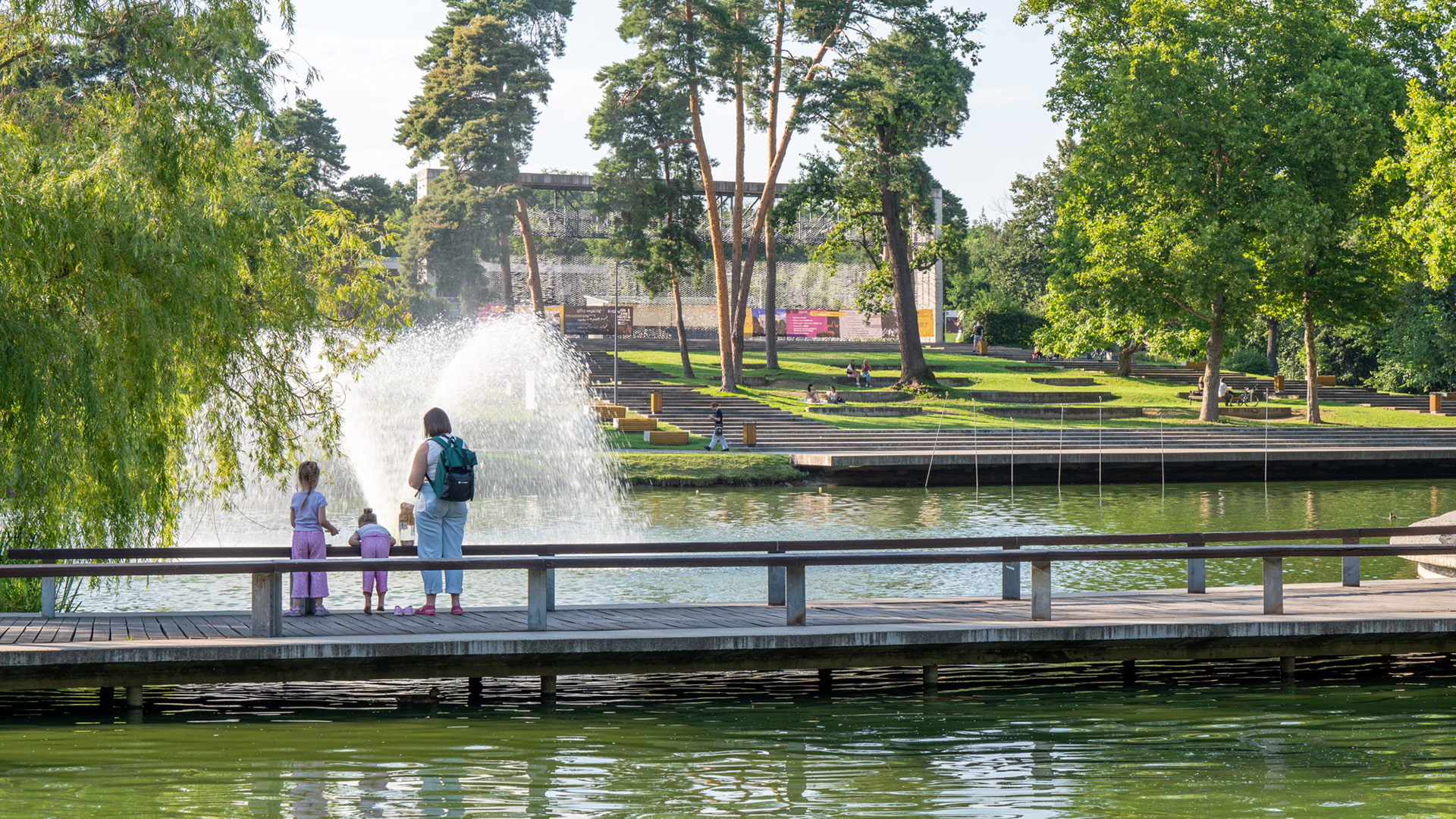
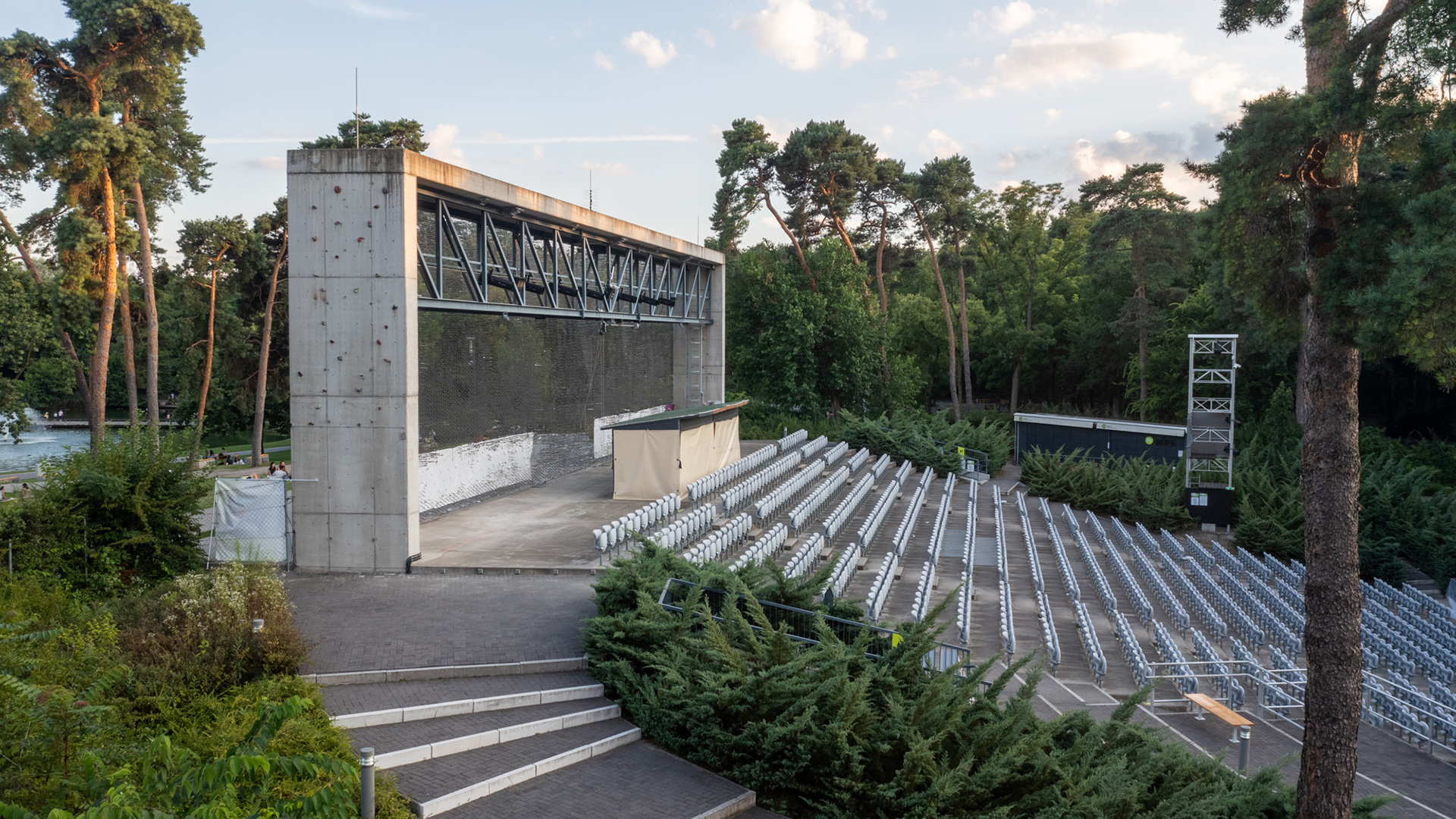
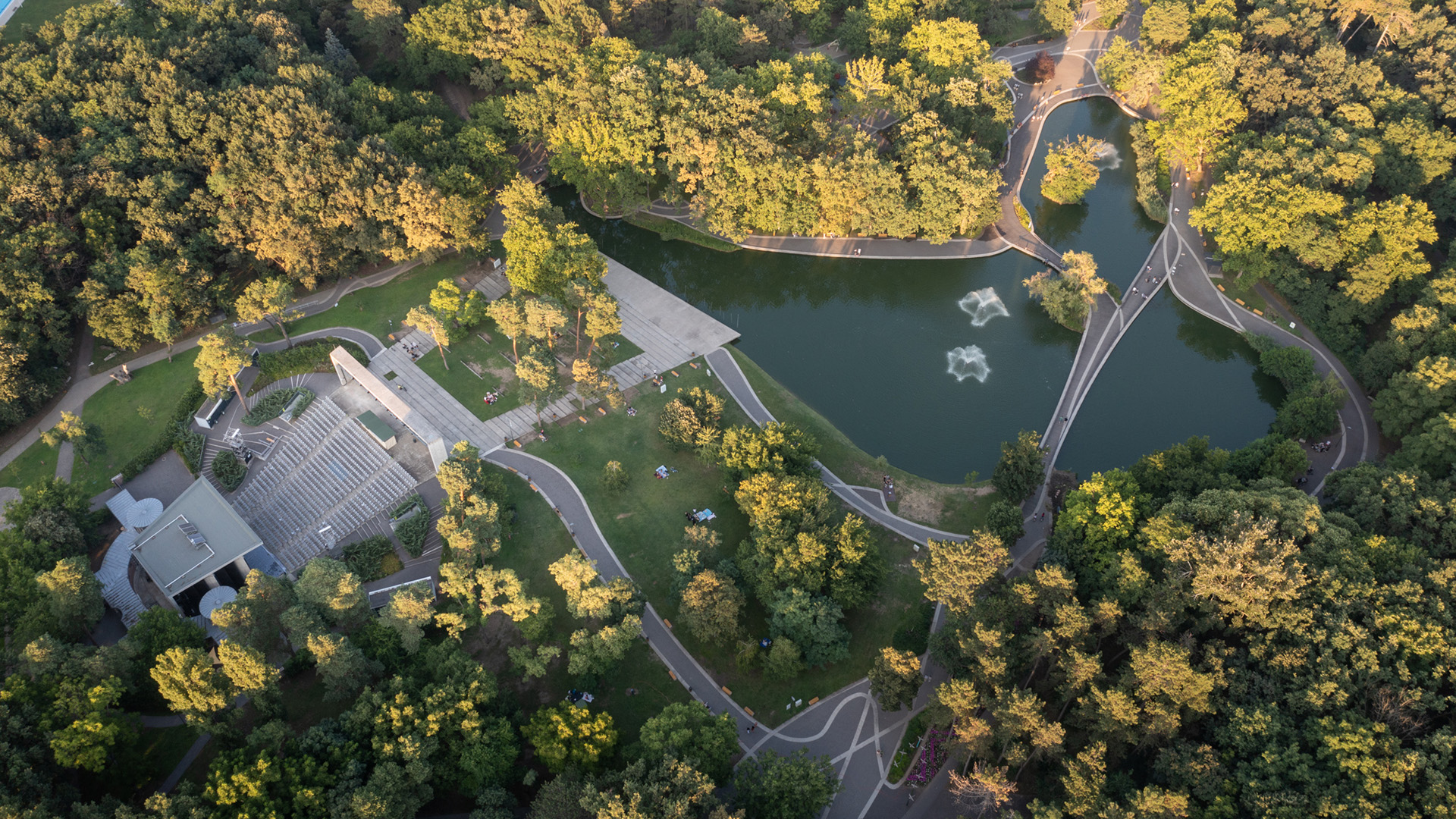
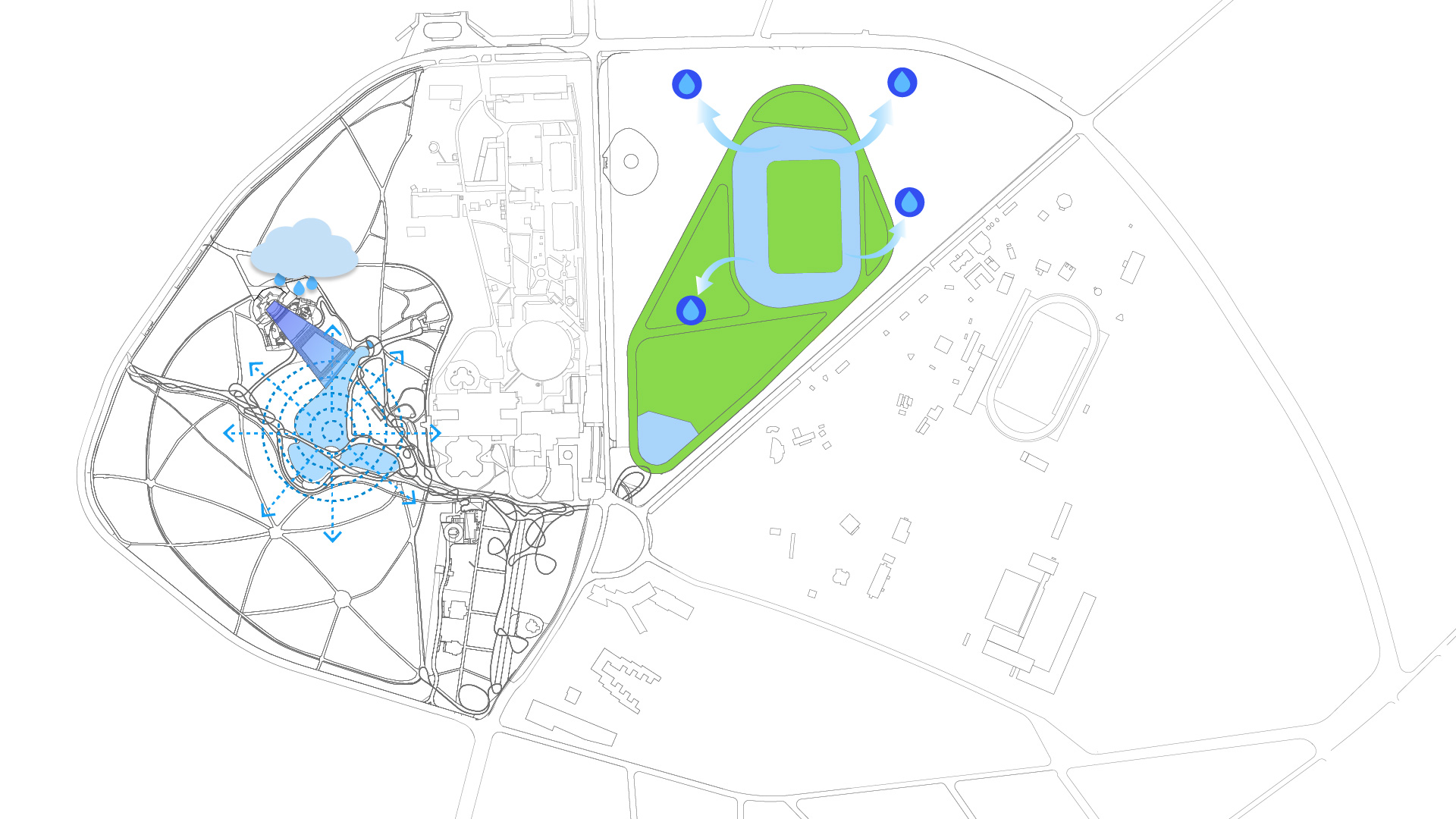
The renewal of Békás Lake represented the next major phase in the rehabilitation of the Great Forest. During the redevelopment, the lake’s surface area nearly doubled. Importantly, this expansion did not come at the expense of the forest, as the new water surface was created by converting previously paved areas. The lake serves far more than an aesthetic purpose. The upper eighty centimetres of its basin were designed to remain permeable, allowing water to continuously infiltrate the surrounding soil, improving water availability for the trees and contributing to the forest’s overall hydrological balance. The water lost through this process is replenished by rainwater collected from the paved surfaces of the 1,000-seat Open-Air Theatre, supplemented when necessary by groundwater from wells. As a result, Békás Lake simultaneously supports recreation and the ecological functioning of the Great Forest.
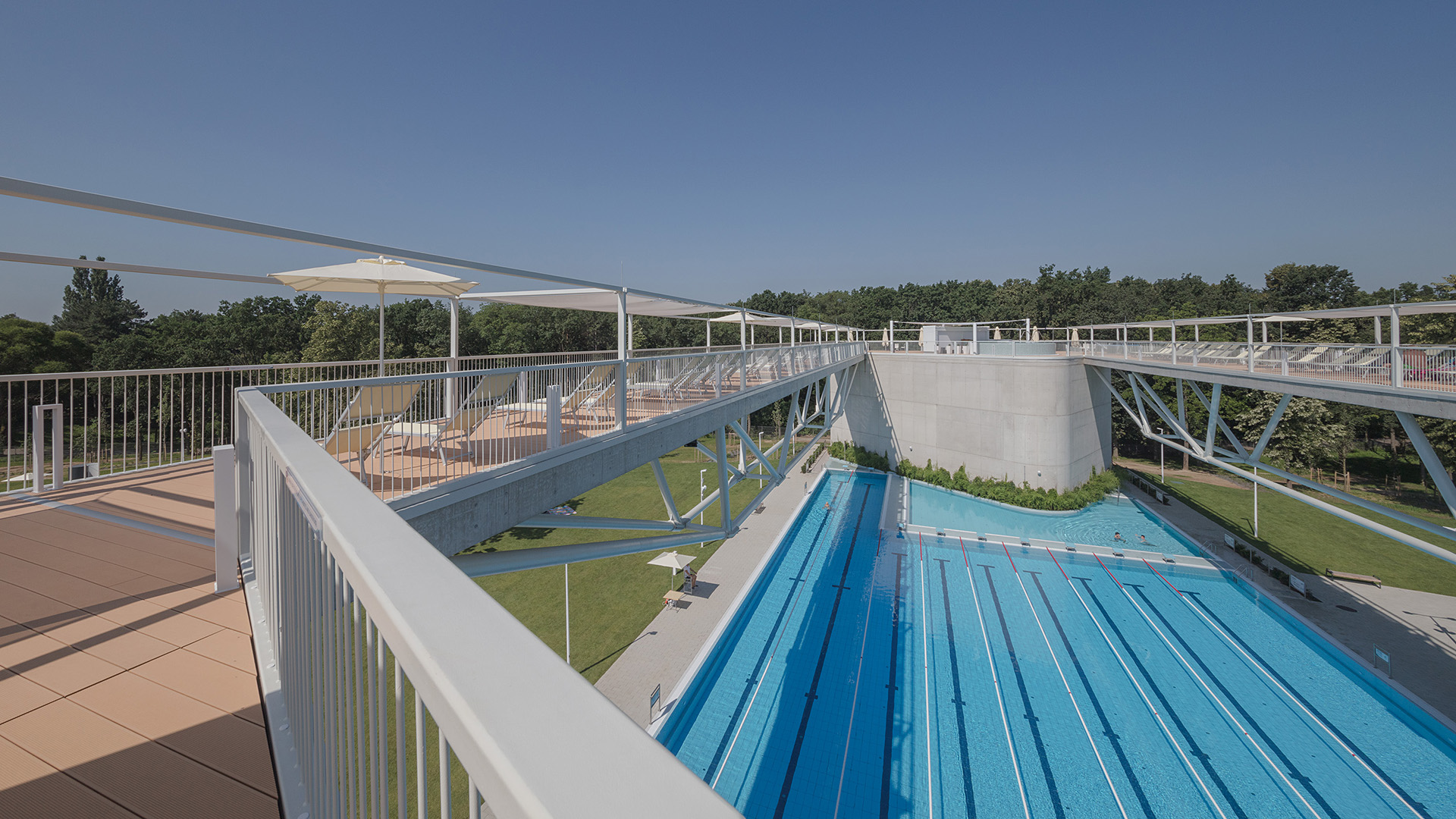
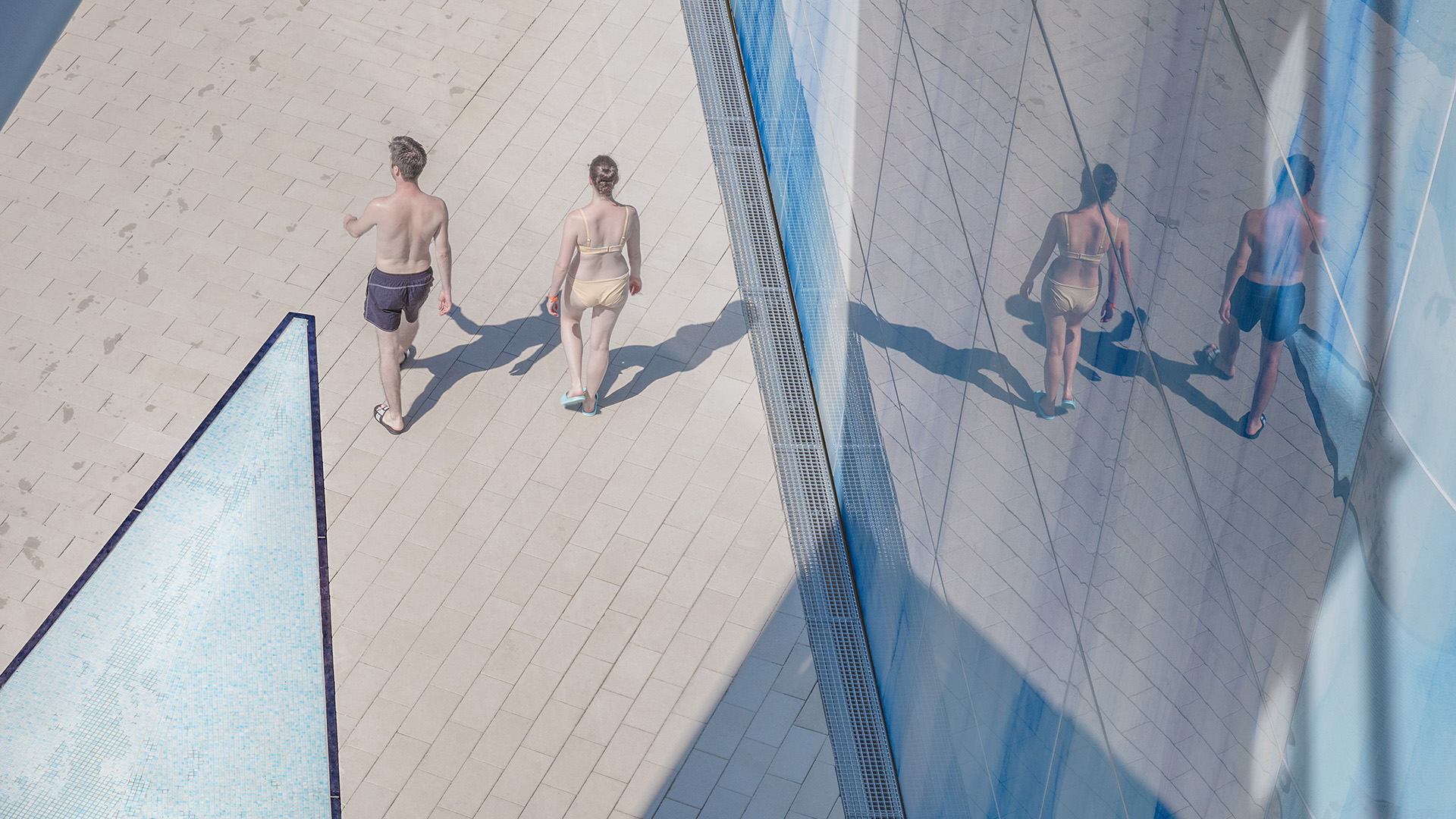
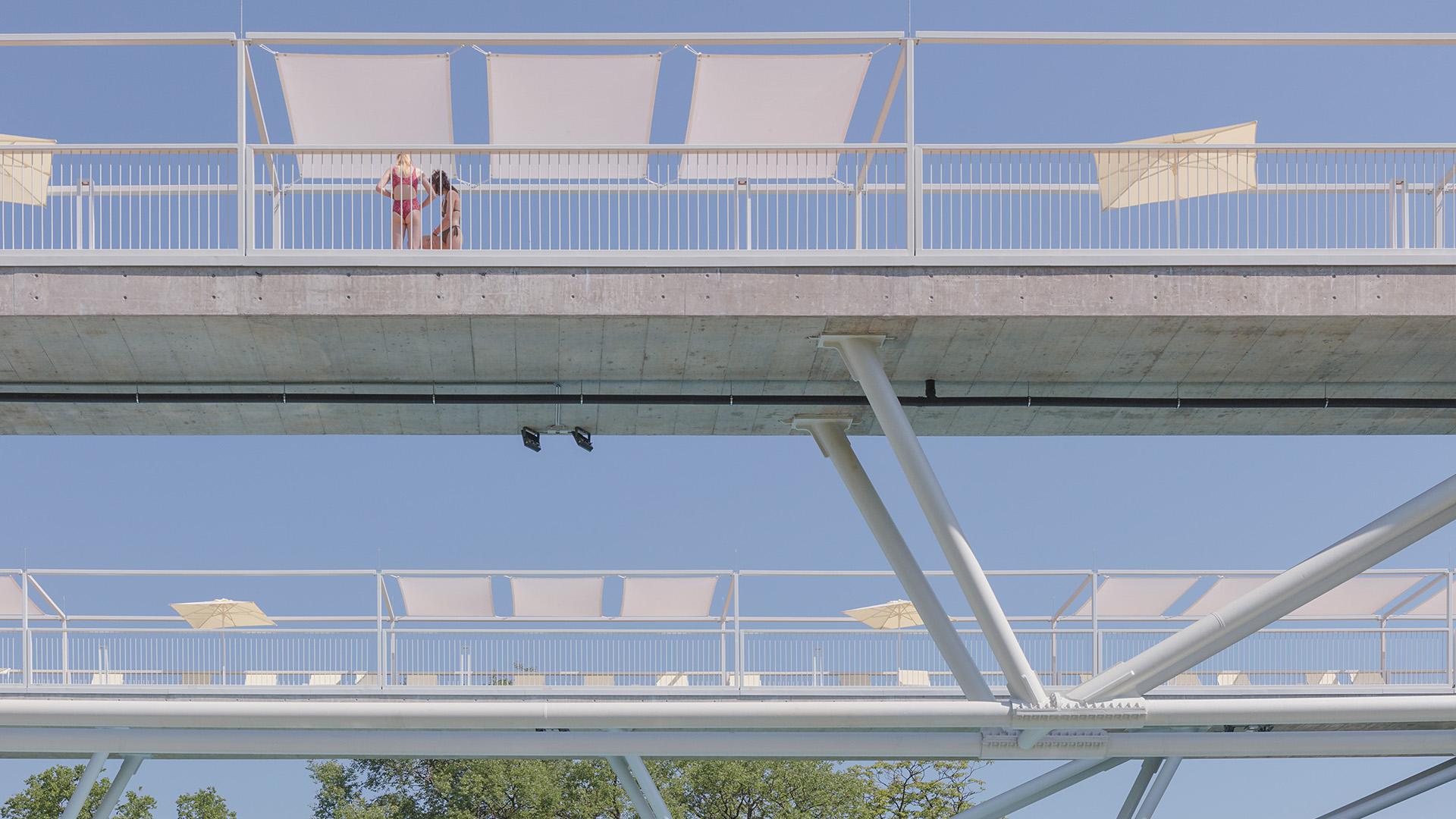
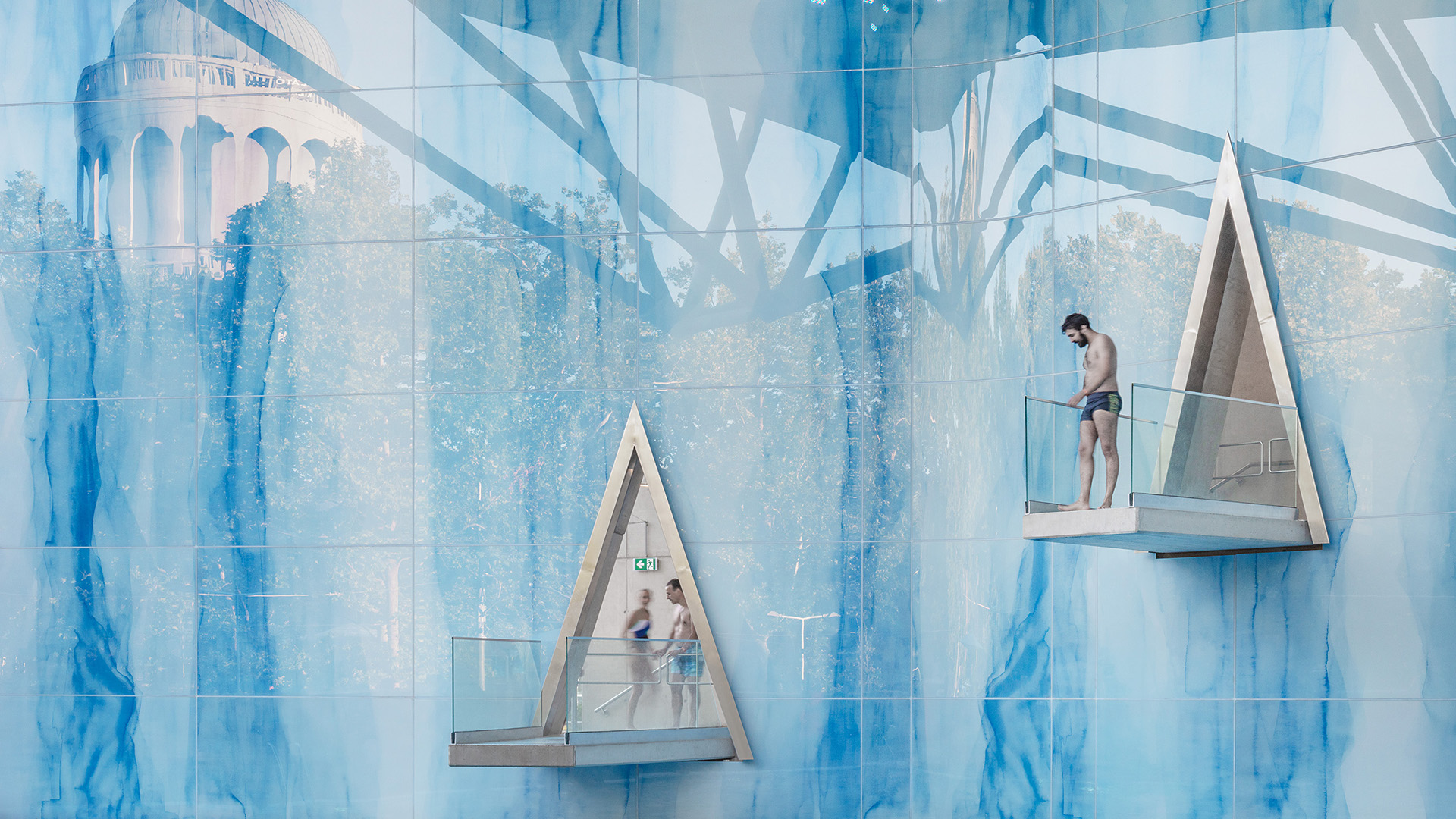
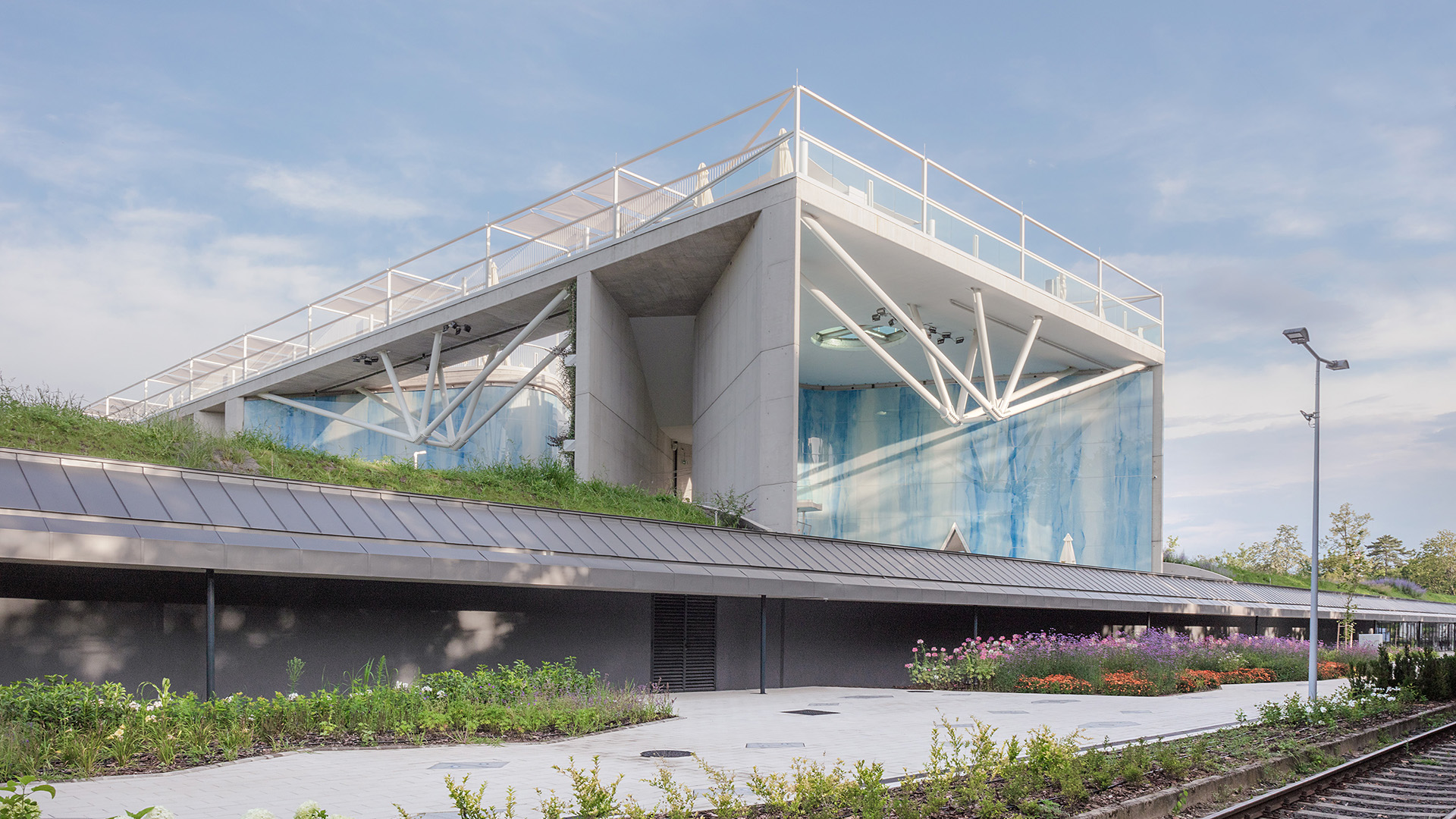
At the heart of the Aquaticum redevelopment was a reimagining of the experience of water itself. Its most distinctive feature is a sun deck elevated twelve metres above ground level, positioned within the forest canopy. From here, visitors gain a new perspective on the Great Forest while remaining immersed within its protective natural environment. The structure casts shade over the pools below while incorporating water slides and diving platforms. Green walls and cascading water features further strengthen the connection between water and forest. A fundamental principle throughout the design process was the reuse of existing elements and structures. Accordingly, the iconic 50-metre swimming pool was preserved in its original location, demonstrating that renewal does not necessarily require starting from scratch but can emerge through the contemporary reinterpretation of existing layers.
As part of the development, a new promenade was created along Pallagi Road. With its hospitality and leisure functions, it reconnects the previously enclosed bath complex with the surrounding forest, reinforcing its role as a public and recreational destination.
Water at Aquaticum serves not only as an experiential element but also as a source of energy. Heat generated during the cooling of thermal water is recovered through heat pumps and used to temper the pools. Naturally occurring gases brought to the surface together with the thermal water are also utilised. A gas engine powered by these gases generates electricity that operates the facility’s water management systems. As a result, the complex’s external energy demand is reduced to nearly zero. Rainwater is likewise retained on site: precipitation collected from paved surfaces is returned to the soil, contributing to the restoration of the Great Forest’s water balance. The water park is therefore built not only around the enjoyment of water, but around its responsible and circular use.
The project’s sustainability ambitions have received international recognition. Aquaticum Debrecen was awarded the Green Good Design Award, an honour presented to architectural works demonstrating outstanding environmental and sustainability performance. Its international architectural impact was further highlighted by its appearance on the cover of the British RIBA Journal, one of the world’s most respected architectural publications.
Ultimately, the story of the Great Forest’s renewal is not merely about buildings, lakes, or public spaces. It is also about how architecture can work in partnership with natural systems. The cities of the future will not be shaped by those who seek to conquer nature, but by those who understand how it works.